

7 Roast Levels Ranked for Pour Over Coffee
Last Updated: October 26, 2026
Quick Summary
The best roast level for pour over coffee is usually a light roast, because stopping the roast early preserves the origin's fruit notes, brightness, and acidity. Medium-light is the balanced everyday pick, while medium roast is the safest bet for most drinkers. Start with medium-light if you are unsure.
- Light roasts need a finer grind, hotter water, and a 45-second bloom to avoid sourness.
- Use a 1:16 coffee-to-water ratio, such as 20 g of coffee to 320 g of water.
- Brew light roasts at 200-205°F and medium-dark or dark roasts at 190-195°F.
- Sour means under-extracted and bitter means over-extracted, so change one variable per brew.
- Freshness beats everything else, so buy from roasters who roast to order and check the roast date.
Table of Contents
- 1. Light Roast: The Clarity Champion for Pour Over Coffee
- 2. Medium-Light Roast: The Balanced Everyday Pick
- 3. Medium Roast: The Safest Bet for Most Drinkers
- 4. Medium-Dark and Dark Roast: When Bold Works in a Pour Over
- Nailing Your Pour Over Coffee Ratio and Brew Temperature
- Best Coffee Beans for Pour Over: What to Look For
- Troubleshooting Pour Over by Taste: Sour, Bitter, or Weak
- Find Your Perfect Roast
- Frequently Asked Questions
1. Light Roast: The Clarity Champion for Pour Over Coffee
If you want to taste where a coffee came from, the best roast level for pour over coffee is usually a light roast. Light roasts stop the roast early, which preserves the origin's fruit notes, brightness, and acidity instead of roasting them away. At theITDGroup LLC, we roast to order.
Light roasts are dense and hold up to the slow pour-over brew method, but they punish sloppy technique. The same qualities that make them taste vivid also make them easy to under-extract. Get the grind and water right and you get a clean, layered cup that a dark roast simply cannot deliver.
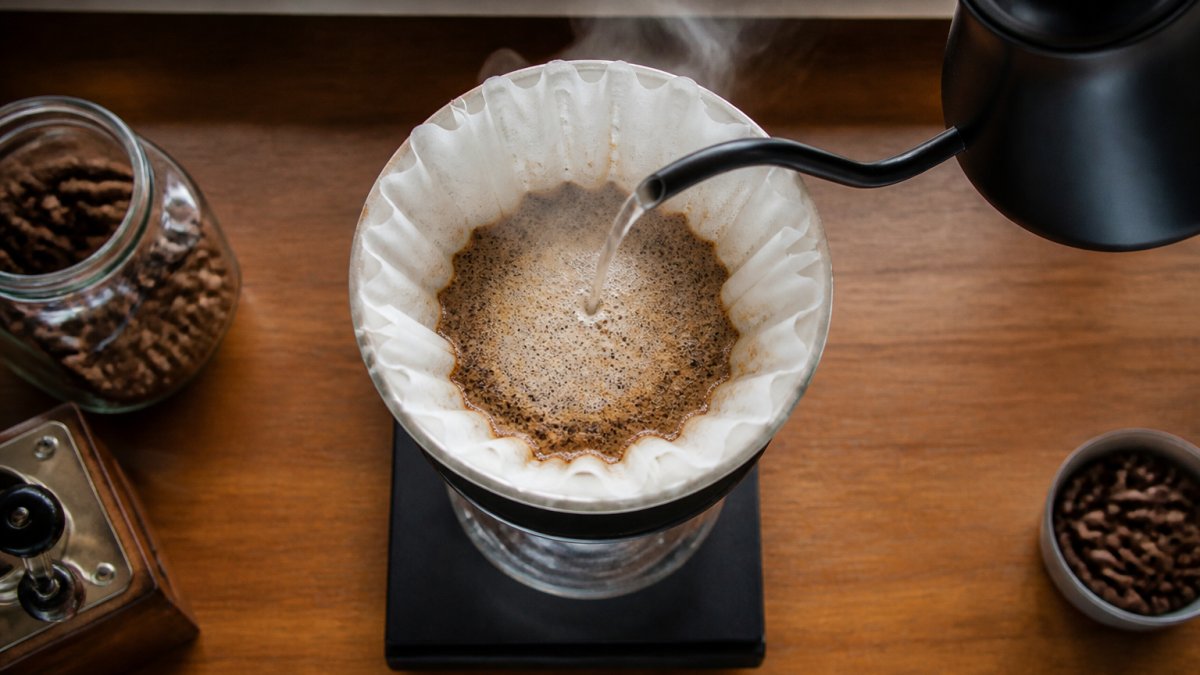
How to Brew Light Roast Coffee Without Sourness
Sourness in a light roast is almost always under-extraction, not a bad bean. Learning how to brew light roast coffee comes down to three fixes: grind finer, raise the water temperature, and give the coffee more contact time. A light roast needs more energy to release its sugars.
- Grind slightly finer than you would for a medium roast
- Use water near the top of the brewing range
- Extend the bloom to 45 seconds to let gases escape
- Slow your pour to lengthen total brew time
When the cup still tastes sharp, grind size is the fastest lever to pull, and dialing it in finer usually resolves the sour edge before anything else.
2. Medium-Light Roast: The Balanced Everyday Pick
Medium-light is the sweet spot for most pour-over drinkers because it keeps clarity while adding body and sweetness. You get the fruit and floral nuance of a light roast with a rounder, more forgiving cup that hides small brewing mistakes.
Our Tanzania is a medium-light roast with pear, floral, jasmine, and strawberry notes.
3. Medium Roast: The Safest Bet for Most Drinkers
Medium roast is the safest choice if you want a smooth, crowd-pleasing cup with low risk. The roast tames acidity and builds chocolate and caramel sweetness, so the result tastes rich whether or not your pour-over technique is perfect.
Our Brazil Santos delivers an elegant, smooth cup with cocoa notes, and our Colombia brings dried orange, berry, and chocolate to the table.
4. Medium-Dark and Dark Roast: When Bold Works in a Pour Over
Dark roasts can absolutely work in a pour over, but they demand a different approach. The longer roast develops deep chocolate, molasses, and brown sugar flavors while reducing acidity, which suits drinkers who find light roasts too bright.
Our Bali Blue is a medium-dark roast with dark chocolate, molasses, and brown sugar. Dark beans are more porous, so they release flavor fast. Grind coarser and lower your water temperature to avoid bitterness. Where a light roast rewards patience, a dark roast rewards restraint.
Nailing Your Pour Over Coffee Ratio and Brew Temperature
Most pour-over advice treats ratio and temperature as fixed rules. They are not. Roast level changes how fast flavor leaves the grounds, so the same ratio and temperature that make a medium roast taste balanced will make a dark roast bitter and a light roast sour. The fix is to set a baseline and then shift temperature and grind together as the roast gets darker.
Start with a coffee-to-water ratio of 1:16, one part coffee to sixteen parts water. That is 20 g of coffee to 320 g of water for a single mug, or 30 g to 480 g for a small carafe. Adjust stronger or weaker from there, but change the dose rather than the grind when you only want to change strength.
Why Temperature Tracks Roast Level
Darker beans are more porous because the roast has already broken down more of the bean's structure. Hot water pulls flavor out of them faster, so a dark roast brewed at light-roast temperatures over-extracts and turns bitter. Light beans are denser and resist extraction, so they need more heat and more contact time to release their sugars. The temperature table below is a starting point, not a rule.
Roast-Specific Pour Over Recipes
Use these as controlled starting points. Each recipe assumes a 20 g dose and a 1:16 ratio, a paper filter rinsed with hot water, and a gooseneck kettle.
| Roast Level | Water Temperature | Grind | Bloom | Total Brew Time |
|---|---|---|---|---|
| Light | 200-205°F | Medium-fine | 45 seconds | 3:00-3:30 |
| Medium-light | 198-202°F | Medium | 40 seconds | 2:45-3:15 |
| Medium | 195-200°F | Medium | 30-40 seconds | 2:30-3:00 |
| Medium-dark / Dark | 190-195°F | Medium-coarse | 30 seconds | 2:15-2:45 |
How to Adjust Within a Roast Level
Treat the table as a starting line, then tune by taste. If the cup is sour or sharp, grind finer by one step or raise the water temperature 2°F. If it is bitter or drying, coarsen the grind or lower the temperature. If it is weak but not sour, increase the dose rather than grinding finer, because grinding finer also changes extraction and can push the cup bitter.
A common pattern is that light roasts need two adjustments, finer grind and hotter water, while dark roasts need the opposite on both counts. Medium roasts usually need only one small change, which is why they are the most forgiving place to learn.
Water, Ratio, and the Limits of the Table
Water quality matters as much as temperature. Soft, low-alkalinity water lets the coffee's acidity and sweetness come through instead of flattening them. The Specialty Coffee Association's brewing standards outline the accepted ranges for strength and extraction that these recipes aim for.
Roast level is only one variable. Bean processing, origin, and freshness all shift how a coffee extracts, so a washed light roast and a natural light roast may need different grinds even at the same roast level. Use the table to get close, then trust your palate for the last adjustment.
Best Coffee Beans for Pour Over: What to Look For
Freshness beats everything else when you choose beans for a pour over. A light roast that sat on a shelf for months tastes flat, while a fresh medium roast can taste extraordinary. Buy from roasters who roast to order, and check the roast date, not just the best-by date.
After freshness, match the roast to your taste and check the tasting notes before you buy. Understanding why fresh roasted coffee tastes better explains how roast date changes what lands in your cup. To decode the flavor descriptors on the bag, our guide to reading coffee tasting notes walks through what terms like "bright" and "cocoa" actually mean. When you are ready to stock up, buying fresh roasted coffee beans online covers what to check before you order.
The National Coffee Association's guide to roasting is a useful reference for how roast levels are defined.
Troubleshooting Pour Over by Taste: Sour, Bitter, or Weak
Your palate is the best diagnostic tool you have. Sour means under-extracted; bitter means over-extracted; weak means too little coffee for the water. Each has a specific fix, and you should change one variable at a time so you know what worked.
- Sour or sharp: grind finer or raise water temperature
- Bitter or dry: grind coarser or lower water temperature
- Weak or watery: increase your dose or tighten the ratio
- Muddy or silty: coarsen the grind and check your filter
Change one thing, brew again, and taste. A common mistake is adjusting three variables at once, which makes it impossible to know which fix helped. Keep notes on each brew so you can repeat what worked.
Find Your Perfect Roast
The best roast level for pour over coffee depends on the cup you want, not a universal rule. Light roasts reward care with clarity and origin flavor, medium roasts forgive mistakes with sweetness and body, and dark roasts deliver bold depth when you brew them gently. Start with medium-light if you are unsure, then move toward light or dark as your taste sharpens.
At theITDGroup LLC, every batch is roasted to order for maximum flavor and aroma. Try our French Roast if you want to explore the bold end of the spectrum.

Frequently Asked Questions
What roast level is best for pour over coffee?
Light to medium-light roasts usually suit pour over coffee best because the paper filter and slow drip highlight acidity, fruit notes, and origin character. Medium roasts work well if you want more sweetness and body. Dark roasts can work too, but use cooler water around 185-195°F and a coarser grind so you extract sweetness instead of ash and bitterness.
Is light or medium roast better for pour over?
Light roast gives you clarity, brightness, and distinct fruit or floral notes, which is why many enthusiasts prefer it. Medium roast trades some of that sharpness for cocoa, caramel, and a rounder body. If you drink your coffee black and like vivid flavors, start light. If you add milk or want a smoother cup, medium is the safer choice.
Can you use dark roast coffee for pour over?
Yes. Dark roast beans are more porous, so they release flavor fast. Drop your water temperature to roughly 185-195°F, use a medium-coarse grind, and shorten the brew to about 2:00-2:30. This pulls out dark chocolate and molasses notes without the bitter, ashy finish that comes from over-extraction.
How much coffee do you need for a pour over?
A standard single-cup pour over uses about 15-18 grams of coffee to 250-300 grams of water, roughly a 1:16 to 1:17 pour over coffee ratio. For two cups, double it to 30-36 grams of coffee and 500-600 grams of water. A digital scale makes this repeatable, and weighing water rather than measuring by volume gives more consistent results.
What is the ideal brew temperature for light roast coffee?
Light roast beans are denser and resist extraction, so use hotter water, around 200-205°F. That heat helps pull out the sweetness and body that would otherwise stay locked in the bean. If your light roast tastes sour or thin, raising the temperature a few degrees is often the fastest fix before you change anything else.
Ready to brew a better cup? Get started with theITDGroup LLC and taste the difference fresh, carefully sourced roast levels make in your next pour over.
