

How to Choose Flavored Coffee for Home Brewing
Last Updated: November 12, 2026
Quick Summary
To choose flavored coffee for home brewing, match the bean to your brew method first, then pick the flavor. Choose a smooth medium roast so the added flavor reads clearly, and check the ingredient label for sugar and allergens before buying.
- Delicate flavors like vanilla disappear under milk, sugar, and ice, so go one intensity level bolder for lattes.
- Medium roast works best because it gives the added flavor room to show through.
- Use a standard medium grind and a level scoop per cup in drip machines.
- Cold brew uses a coarse grind, a 1:8 coffee-to-water ratio, and 12 to 18 hours in the refrigerator.
- Grind flavored beans last or keep a separate inexpensive grinder to avoid flavor crossover.
Table of Contents
- Start With Your Brew Method, Not the Flavor
- Popular Flavored Coffee Flavors and What They Pair With
- Flavored Coffee Roast Levels: Why Medium Roast Works Best
- Best Coffee Beans for Drip Coffee and Other Home Brewers
- How Added Flavorings Affect Your Brewing Equipment
- How to Store Flavored Coffee Beans for Lasting Freshness
- Find Your Perfect Roast at theITDGroup LLC
- Frequently Asked Questions
Start With Your Brew Method, Not the Flavor
Most shoppers pick a flavor first and figure out brewing later. That is backwards. How to choose flavored coffee for home brewing starts with one question: what are you brewing on? A medium-roast flavored bean built for a drip machine behaves differently in a French press or a cold brew jar, and the flavoring itself changes how the coffee extracts. Flavored coffees are commonly roasted to a smooth medium profile because that roast level holds its character across most home setups.
Here is the short version: match the bean to your equipment first, then pick the flavor. Get that order right and the flavor notes land the way the description promises.
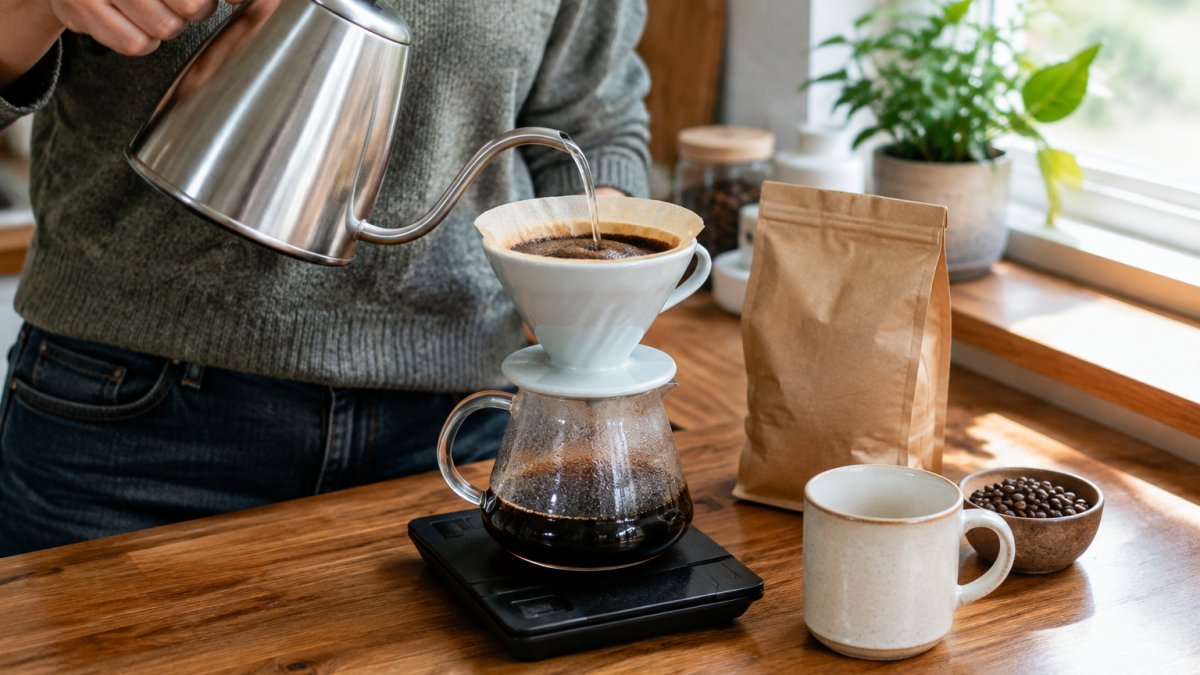
Flavored coffee is specialty-grade coffee that has been infused with flavoring oils, usually while the beans are still warm after roasting, so the flavor binds to the bean rather than sitting on top of it. That single fact explains why brew method matters so much.
Popular Flavored Coffee Flavors and What They Pair With
Classic flavors fall into a few families, and each family suits certain brew styles and drinking habits better than others. But the more useful skill is reading a flavor description the way a roaster writes it, then matching intensity to how you actually drink your coffee. French Vanilla is the smooth, rounded choice: creamy and mellow, ideal if you take your coffee with milk or want a gentle first step into flavored coffee. Hazelnut brings a nutty richness that stands up well black or with a splash of cream. Mocha leans chocolatey and decadent, a natural fit for iced drinks and cold brew. Cinnabun delivers cinnamon-roll flavor, and its listing describes it as having no added sugar or calories. Caramel is buttery and sweet, and it works as a base for blended drinks.
A simple intensity scale helps more than a long flavor list. Think of flavored coffee on three levels: delicate (vanilla, almond, light cinnamon), medium (hazelnut, caramel, mocha), and bold (dark chocolate, strong mint, heavy spice). Delicate flavors disappear under milk, sugar, and ice; bold flavors can overwhelm a black cup. If you drink black, start at medium. If you drink lattes or iced coffee, go one level bolder than you think you want. That single rule prevents the two most common purchase mistakes: buying a vanilla that tastes like nothing in a milky drink, and buying a bold flavor that tastes artificial when drunk black.
Sweetness is a separate axis from flavor. Flavored coffees are often flavored with oils or extracts, so the sweetness you taste can be aroma rather than sugar. Check the ingredient label: if sugar, corn syrup solids, or a sweetener appears, the beans will taste sweeter and may caramelize differently in the brewer. If the label lists only coffee and natural or artificial flavors, you control the sweetness with what you add. That matters for anyone watching sugar intake or comparing two bags that sound identical on the front of the package.
Allergens deserve a quick label check too. If someone in your household has a tree-nut or dairy allergy, read the ingredient statement and any "may contain" line before buying a hazelnut or caramel bag. When in doubt, contact the roaster for details on the flavoring.
Not sure where to start? A flavored coffees sample pack lets you try six 2-ounce packs before committing to a full bag. If vanilla sounds like your lane, you can go straight to French Vanilla; if nutty is more your thing, Hazelnut is the one to grab.
| Flavor | Flavor Family | Intensity | Best With | Sweetness Level |
|---|---|---|---|---|
| French Vanilla | Creamy, smooth | Delicate | Milk drinks, drip | Mild |
| Hazelnut | Nutty, rich | Medium | Black or with cream | Mild |
| Mocha | Chocolatey | Medium | Cold brew, iced | Medium |
| Cinnabun | Spiced, dessert-like | Medium | Drip, pour-over | No added sugar |
| Caramel | Buttery, sweet | Medium | Blended drinks | Medium |
Watch out: a flavor described as "bold" on the bag is often bold in aroma but thin in the cup once milk is added, so judge intensity by how you drink it, not by the name alone.
Flavored Coffee Roast Levels: Why Medium Roast Works Best
Medium roast is often considered a good fit for flavored coffee because it gives the added flavor room to show through. Light roasts keep more of the bean's own acidity and origin character, which can clash with a flavoring oil. Dark roasts push smoky, bitter notes that tend to bury vanilla or hazelnut. A smooth medium roast sits in the middle, with enough body to carry the flavor and enough softness not to fight it.
Our flavored coffees are described as starting as specialty-grade coffee roasted in small batches to a smooth medium before the flavoring oils are added.
Best Coffee Beans for Drip Coffee and Other Home Brewers
Drip machines are a common home for flavored coffee: use a standard medium grind, a level scoop per cup, and let the machine do the work. The trade-off is that drip machines brew at a fixed temperature and flow, so a delicate vanilla can taste flat while a medium hazelnut or caramel reads clearly. If your drip machine has a "bold" or "strong" setting, use it for flavored coffee; the slower flow extracts more of the added flavor.
Pour-over rewards a slightly finer grind and a slow, steady pour. It also gives you the most control over flavor, because you can adjust water temperature and contact time. A French press wants a coarse grind and a four-minute steep. A metal filter lets more oils through, which can carry flavor well, but residue can stay in the mesh, so rinse it thoroughly after each use.
Cold brew is the outlier, steeping coarse grounds in cold water for hours, and it happens to be one of the best ways to drink mocha or caramel. Cold water generally extracts less acidity and bitterness, so cold brew can taste smoother. Use a coarse grind, a 1:8 coffee-to-water ratio for concentrate, and 12 to 18 hours in the refrigerator. Dilute the concentrate with water or milk to taste.
Espresso is the method where flavored coffee is most divisive. Flavored beans can be used for espresso, but flavoring oils can leave residue on espresso equipment, so cleaning may need to be more frequent. If you want flavored espresso drinks, choose a medium or bold flavor and plan to clean the group head more often than usual.
If you want to branch out beyond standard drip, our guide to alternatives to standard drip coffee beans covers other bean styles worth trying. Ready to try a different method entirely? Here are 7 steps to make cold brew coffee at home.
Watch out: grinding flavored beans in the same grinder you use for unflavored coffee leaves flavoring oils behind, so the next plain batch can pick up a faint vanilla or hazelnut note; grind flavored beans last, or keep a separate inexpensive grinder for them.
How Added Flavorings Affect Your Brewing Equipment
Flavoring oils can leave a residue behind that may build up on brewing equipment. Routine cleaning helps: rinse your carafe and brew basket after every use, and descale your drip machine on your normal maintenance schedule. On a French press, take the mesh filter apart occasionally and scrub it. On a pour-over cone, a quick hot-water rinse keeps yesterday's hazelnut out of today's vanilla.
Watch out: skipping the rinse on a shared brewer means flavors cross over, and a delicate vanilla will pick up the last pot's cinnamon.
How to Store Flavored Coffee Beans for Lasting Freshness
Store flavored coffee beans the way you store any good coffee: whole bean, in an airtight container, away from light, heat, and moisture. Keep them out of the fridge, where condensation and food odors creep in. Buy in amounts you will finish within a few weeks, and grind just before brewing. Proper storage helps keep flavored coffee tasting fresh for longer.
Find Your Perfect Roast at theITDGroup LLC
Choosing flavored coffee comes down to three moves: match the bean to your brew method, pick a medium roast so the flavor reads clearly, and store it well. Do those and the flavor on the label is the flavor in your cup.
At theITDGroup LLC, every batch is roasted to order for maximum flavor and aroma, with carefully sourced beans and a fresh roast guarantee. Ordering is simple, and delivery is fast and reliable, so your next bag arrives ready to brew. Browse the flavored lineup, start with a sample pack, or go straight for the French Vanilla or Hazelnut you already know you love.
Get started with theITDGroup LLC and find the roast that makes your morning ritual yours.
Frequently Asked Questions
What are the most popular flavored coffee flavors?
The most popular flavored coffee flavors are French vanilla, hazelnut, caramel, mocha, and cinnamon roll. Vanilla and hazelnut tend to be the safest starting points because they pair well with medium roast beans and milk. Caramel and mocha work best in espresso and cold brew, while cinnamon flavors hold up in drip coffee. A sample pack lets you try several before committing to a full bag.
Should I choose light, medium, or dark roast flavored coffee?
Medium roast is the safest choice for flavored coffee. Its balanced sweetness and body let added flavors come through without the roast competing for attention. Light roast keeps more acidity and origin character, which can clash with sweet flavoring oils. Dark roast brings smoky, bitter notes that often overpower delicate flavors like vanilla or caramel. Most flavored coffees on the market, including theITDGroup LLC's lineup, use a smooth medium roast for this reason.
Does flavored coffee work with every brewing method?
Flavored coffee works with drip, pour-over, French press, espresso, and cold brew, but the flavor intensity changes with each method. Drip and pour-over give a clean cup where flavor notes stay distinct. French press keeps more oils and body, so flavors taste richer. Espresso concentrates flavor, so use less or choose a milder option. Cold brew softens acidity and sweetness, making it a good fit for caramel and mocha. Adjust your coffee-to-water ratio to taste.
How should I store flavored coffee beans to keep them fresh?
Store flavored coffee beans in an airtight container away from light, heat, and moisture. Keep them whole and grind just before brewing to preserve aroma. A cool pantry works better than a refrigerator, which introduces condensation each time you open the door. Flavored beans absorb surrounding odors, so store them separately from spices and tea. Use within two to four weeks of the roast date for the best flavor, and check the bag for a roast date rather than a best-by date.
