

Alternatives to Standard Drip Coffee Beans Worth Trying
Quick Summary
The main alternatives to standard drip coffee beans are specialty beans, single-origin coffees and microlots, each offering a more distinct flavor profile than a typical drip blend. Specialty beans taste more defined, single-origin coffees reveal the character of one growing region, and microlots are small, traceable batches. Each option costs more than standard drip blends, so choose by the flavor you want to explore.
- Specialty beans score highly under professional cupping standards and often taste more distinct than drip blends.
- Single-origin coffee comes from one farm, cooperative or region, so its flavor is more consistent and traceable.
- Microlots are small, carefully separated batches, often from a single farm or part of a farm.
- Specialty and microlot coffees generally cost more than standard drip blends.
- Compare price per cup rather than price per bag, since richer coffees are often brewed in smaller amounts.
Table of Contents
- Why Standard Drip Beans Are Not the Only Option
- Specialty Coffee Beans: What Sets Them Apart
- Single-Origin Coffee Beans for Distinct Flavor Profiles
- Microlot Coffee: Small Lots, Traceable Quality
- Comparing Alternatives: Pros, Cons and Pricing
- Understanding Specialty Coffee Price Differences
- Choosing Your Next Bag of Roasted-to-Order Beans
- Frequently Asked Questions
Why Standard Drip Beans Are Not the Only Option
Most coffee drinkers settle on one bag of drip-roast beans and never look further at the alternatives to standard drip coffee beans. That habit makes sense, since standard drip beans are easy to find and predictable in the cup. But they are only one of several ways to get a better brew. Specialty beans, single-origin coffees and microlots each offer a different flavor profile, and each suits a different kind of drinker.
This guide from theITDGroup LLC walks through the main alternatives to standard drip coffee beans. You will see how each option differs, what it costs, and who it suits best. Our goal is to help you choose with confidence, not to push one answer on everyone.
Specialty Coffee Beans: What Sets Them Apart
Specialty coffee is a grading term for beans that score highly under professional cupping standards. Beans that qualify are typically traced to a specific growing region and handled with more care at every stage.
In practice, specialty beans taste more distinct. Standard drip blends are built to taste consistent from bag to bag, which means they often blend beans from many sources. Specialty beans tend to reveal the character of their origin, including fruit, floral or chocolate notes.
Watch out: specialty labels are not regulated in the way some food labels are. Read the roast date and origin details on the bag rather than relying on the word "specialty" alone.
Single-Origin Coffee Beans for Distinct Flavor Profiles
Single-origin coffee comes from one farm, cooperative or region rather than a blend. Because the beans share one source, the cup often shows a clear, consistent personality. A washed Ethiopian coffee might taste bright and floral, while a Brazilian natural might lean toward nutty and chocolatey.
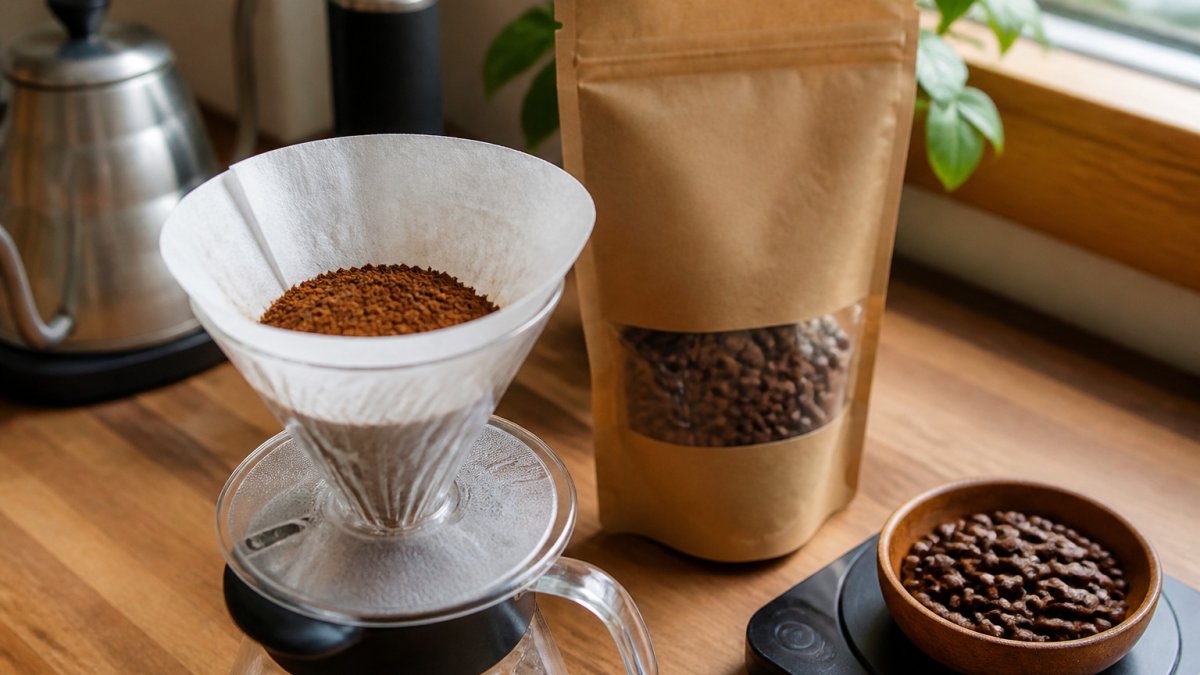
If you want to learn how these coffees differ, start with a beginner-friendly selection. Our 7 best single-origin coffees for beginners explains which origins are easy to start with. For a head-to-head comparison of this style against traditional blends, see single-origin vs blends for espresso.
Microlot Coffee: Small Lots, Traceable Quality
Microlots are small, carefully separated batches of coffee, often from a single farm or even a single section of a farm. Because the volume is small, producers can sort and process each lot with more attention.
The benefit for drinkers is traceability. Small-batch roasted coffee benefits explain how freshness and small-lot quality work together.
The trade-off is cost. Microlots are scarcer and more labor-intensive to produce, so they usually sell for more than blends. We cover that question directly in is microlot coffee worth the extra cost?
Comparing Alternatives: Pros, Cons and Pricing
The table below compares the main alternatives to standard drip beans, based on the typical trade-offs of each coffee style.
| Option | Best For | Main Advantage | Main Drawback |
|---|---|---|---|
| Standard drip blend | Everyday, consistent cups | Predictable and widely available | Less distinct flavor |
| Specialty beans | Drinkers exploring flavor | Clear, defined taste | Higher price, variable supply |
| Single-origin | Discovering origin character | Distinct, traceable profile | Flavor can vary by harvest |
| Microlot | Premium, traceable quality | Small-batch care and transparency | Highest cost, limited supply |
Pros of single-origin and specialty: distinct flavor, clear origin information, and more variety to explore.
Cons of single-origin and specialty: higher price, more variation between bags, and shorter availability for some lots.
Pricing note: Specialty and microlot coffees generally cost more than standard drip blends. Compare price per cup, not just price per bag, since a richer coffee is often brewed in smaller amounts. For tea drinkers, theITDGroup LLC offers a selection of teas, including Earl Grey, Jasmine and Masala Chai, each priced at $22.99.


Understanding Specialty Coffee Price Differences
Price alone does not tell you quality. Some expensive coffees will not suit your palate, and some modestly priced specialty beans taste excellent. Start with a small bag, brew it the way you normally would, and decide from there.
Choosing Your Next Bag of Roasted-to-Order Beans
Pick your next bag by starting with what you already enjoy. If you like a smooth, familiar cup, a specialty blend is a sensible step up. If you want to taste something new, try a single-origin coffee from a region you have not explored. If traceability matters most, a microlot is worth the premium.
Freshness matters at every level. Look for a roast date on the bag, and choose beans that were roasted close to when you order them. Our buy fresh roasted coffee beans online guide explains what to check before you buy.
At theITDGroup LLC, we roast to order. Browse our selection and find your perfect roast today.
Frequently Asked Questions
What are the best alternatives to standard drip coffee beans?
The most common alternatives are specialty-grade beans, single-origin coffees that come from one farm, region or cooperative, and microlot coffees grown in very small, traceable batches. Each offers a different flavor profile than a generic blend. Specialty beans are graded for quality, single-origin coffees show the character of a specific place, and microlots are often the most distinctive. Choose based on whether you want consistency, origin character or rare flavor.
Are single-origin coffee beans better than blends?
Neither is universally better. Single-origin coffee beans highlight the flavor of one growing region, so they tend to taste more distinctive and vary from harvest to harvest. Blends are designed for consistency and balance across cups. If you enjoy exploring different flavor notes, single-origin beans are a strong choice. If you want the same reliable taste every morning, a well-made blend may suit you better. Many drinkers keep both on hand for different brewing moods.
Are specialty coffee beans worth the higher price?
Specialty coffee usually costs more than standard drip beans because of careful sourcing, quality grading and small-batch roasting. Whether it is worth the cost depends on how much you value freshness and flavor. Compare the price per cup rather than the price per bag, since a richer coffee may need less grounds per serving. Try a single bag before committing to a regular order.
What is microlot coffee, and how does it taste?
Microlot coffee comes from a very small, clearly defined area, often a single plot or a small group of trees, and is processed in limited quantities. Because the lots are small and traceable, roasters can highlight unusual flavors that larger lots would blend away. Tasting notes vary widely, so check a bag's description before ordering. Microlots are usually sold in smaller quantities and at higher prices than standard beans.
